The Five Plants That Actually Survive a Longview July
Every spring somebody fills a bed with petunias and impatiens, and by the Fourth of July it's a pile of crispy sticks. It isn't a green-thumb problem. It's a plant-choice problem. These five hold their color through the worst of a Longview summer.
I get the same call every July. The bed looked incredible in April, the client did everything right, watered it faithfully, and now half of it is brown and the other half is leggy and flowerless. They want to know what they did wrong.
Usually the answer is nothing. They just planted the wrong things for where we live. A Longview summer is a specific kind of brutal: weeks of high-90s air, a heat index that pushes past 105, soupy humidity that breeds fungus, and heavy clay that bakes hard between rains. Plenty of pretty annuals from the garden center simply were not built for that. Cool-season color like pansies, petunias, and impatiens is meant to be finished by now.
So when a client tells me they want low-maintenance summer color, I reach for the same short list every time. Here are the five that earn their spot.
Lantana is the one I trust most in full sun.
If I could only plant one thing in a hot, exposed bed out here, it would be lantana. It loves the heat instead of tolerating it, blooms nonstop from now until frost, and pulls in butterflies all summer. The trailing and mounding varieties like 'New Gold' are close to bulletproof in our soil.
The mistake people make is treating it like a thirsty annual. Lantana rots if you keep the roots wet, and daily watering in clay is how you kill it. It also wants sun, a bed that gets a few hours of shade will give you leaves and almost no flowers.
What to do instead: put lantana in your hottest, sunniest bed, water it deeply but let it dry out between drinks, and leave it alone. Many lantanas are root-hardy here and come back on their own the next spring, so you may be buying it once. One note for families: the little berries are toxic if eaten, so keep it out of reach if you have young kids or dogs that graze.
Vinca shrugs off the heat that melts everything else.
Annual vinca, the one with the glossy leaves and flat five-petal flowers, is happiest when the weather is at its most miserable. It flowers straight through July and August full sun with barely a complaint, and it does not need deadheading to keep going.
The catch with vinca is timing. It is a heat lover that hates cool, wet feet, and planting it too early in a damp East Texas spring invites a root and stem rot that can wipe out a whole tray. That is why the vinca people set out in a cool April sometimes collapses, and the vinca we plant in warm soil sails through.
What to do instead: wait until the soil is genuinely warm, usually mid-May and later, before you put vinca in the ground, and plant it in a bed that drains. On our clay that often means working in some compost or planting a touch high so water never sits around the crown.
Salvia keeps the color coming and brings the hummingbirds.
Salvia gives you the vertical spikes that lantana and vinca do not, and there is a variety for almost any bed. The perennial ones are the workhorses here: autumn sage (Salvia greggii) for a tough, shrubby full-sun spot, and the Texas-bred selections like 'Henry Duelberg' that were literally chosen for our climate. Hummingbirds and bees work them all day.
Salvia wants sun and good drainage, same as the rest of this list, and the perennial types reward you for a haircut. When a planting starts looking tired and stops blooming in the middle of summer, most people assume it is dying.
What to do instead: shear a spent salvia back by about a third and give it a light feeding, and it will flush new growth and rebloom in a couple of weeks instead of coasting into fall half-dead.
Plumbago is how you get true blue in the heat.
Cool blue is the hardest color to keep alive in a Texas summer, and plumbago delivers it. It throws soft sky-blue clusters from now until the first freeze, takes full sun or a little afternoon shade, and asks for almost nothing once it is established. It sprawls into a loose, informal mound, so it is great for filling space along a foundation or spilling over a low wall.
Here is the part people love: plumbago is root-hardy in our area. It dies back to the ground in a hard winter and looks like a goner, and every year somebody digs theirs out too soon.
What to do instead: when plumbago goes to bare sticks after a freeze, cut it down and wait. It is slow to wake up in spring, sometimes not showing until things have warmed for good, but it comes back bigger. Leave it in the ground.
Knockout roses do the heavy lifting for the least fuss.
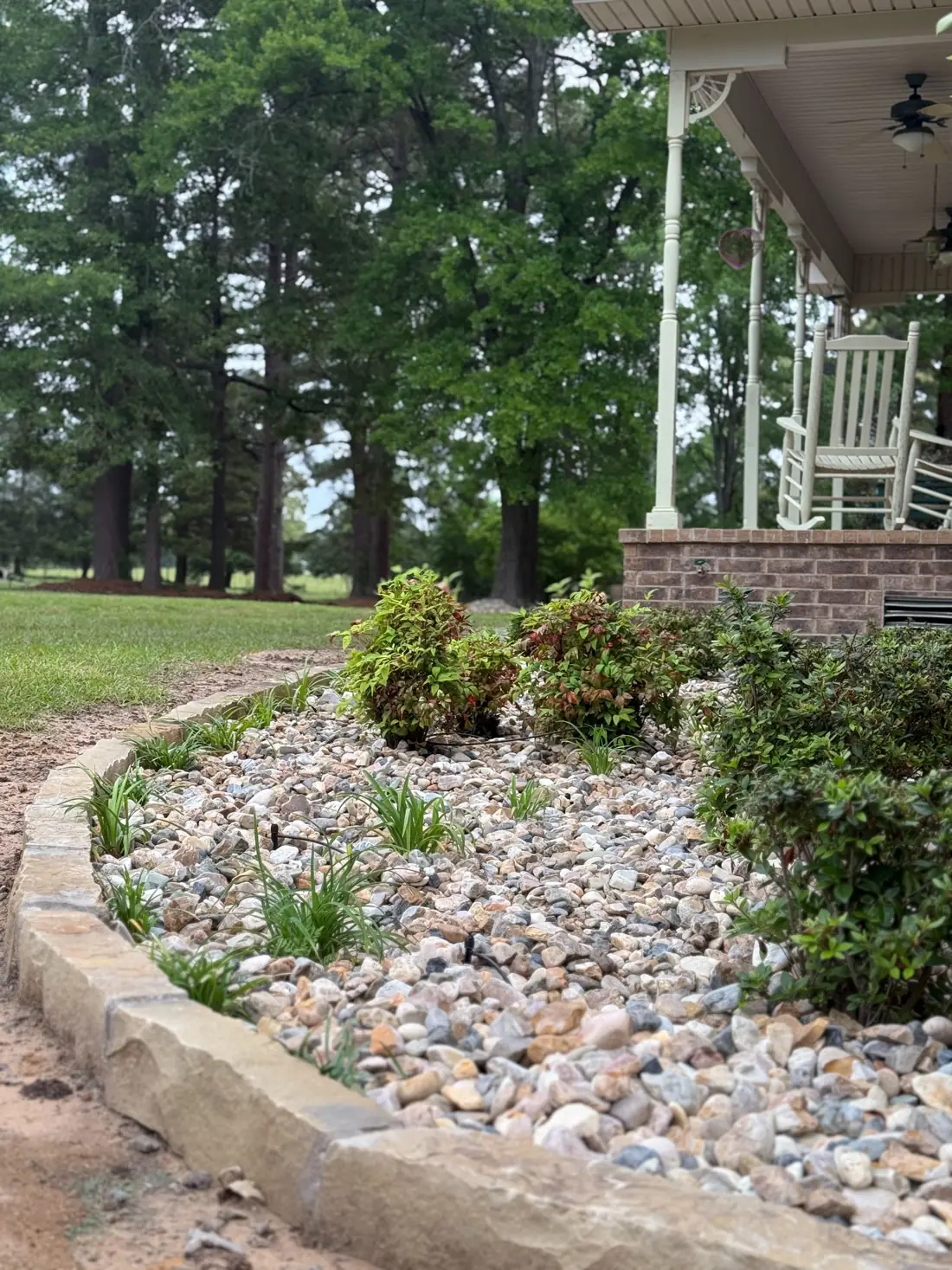
If a client wants shrub-sized color that reads as roses without the old-fashioned rose babysitting, this is it. Knockouts rebloom in waves all season, they are far more disease-resistant than the hybrid teas your grandmother sprayed every week, and they are self-cleaning, so you are not out there deadheading spent blooms. That front bed in the photo up top is exactly this: knockouts anchoring the corner, still blooming deep into August.
They want full sun and room to breathe. The two things that get them in trouble here are overwatering, which brings on black spot, and crowding, which traps the humidity they hate. There is also a virus called rose rosette moving through our region that shows up as weird, thorny, bright-red witch's-broom growth.
What to do instead: plant knockouts with real spacing so air moves through them, water at the base rather than over the leaves, and give them a hard cut back to about knee height in late winter. If you ever see that clustered red witch's-broom growth, pull the whole plant, because there is no cure and it spreads.
The pattern behind all five.
Notice what these have in common: full sun, good drainage, and a hatred of being overwatered. That is not a coincidence. The plants that survive a Longview July are the ones adapted to heat, and the fastest way to lose them is to treat them like fragile spring annuals and drown them in our clay. Give them a bed that drains, water deep and infrequent, and most of this list will carry a bed from now until frost with color to spare.
We plant beds like this all summer across Longview, Hallsville, White Oak, Kilgore, and Gladewater, matching the plant to the light and the soil so it actually lasts past the first heat wave. If your beds are looking cooked and you want summer color that holds, that is exactly the kind of work we love to do.
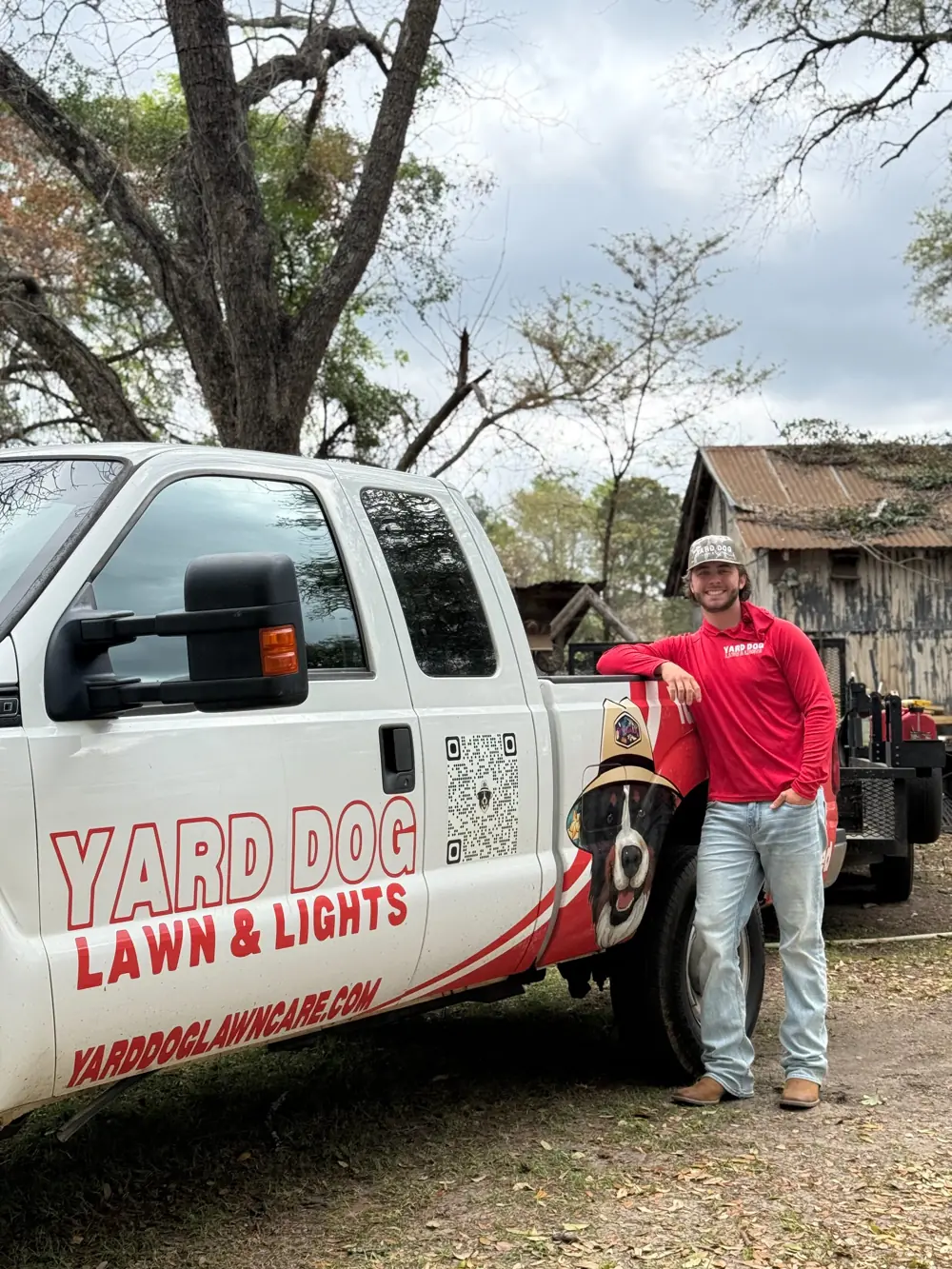
Miller Maines owns Yard Dog Landscapes in Longview, TX. He has worked East Texas yards since 2017 and still walks every property himself.