
Notes from the yard
Lawn, landscape and yard advice from the East Texas crew that works the dirt every day. A new post every Saturday, written for Longview yards.
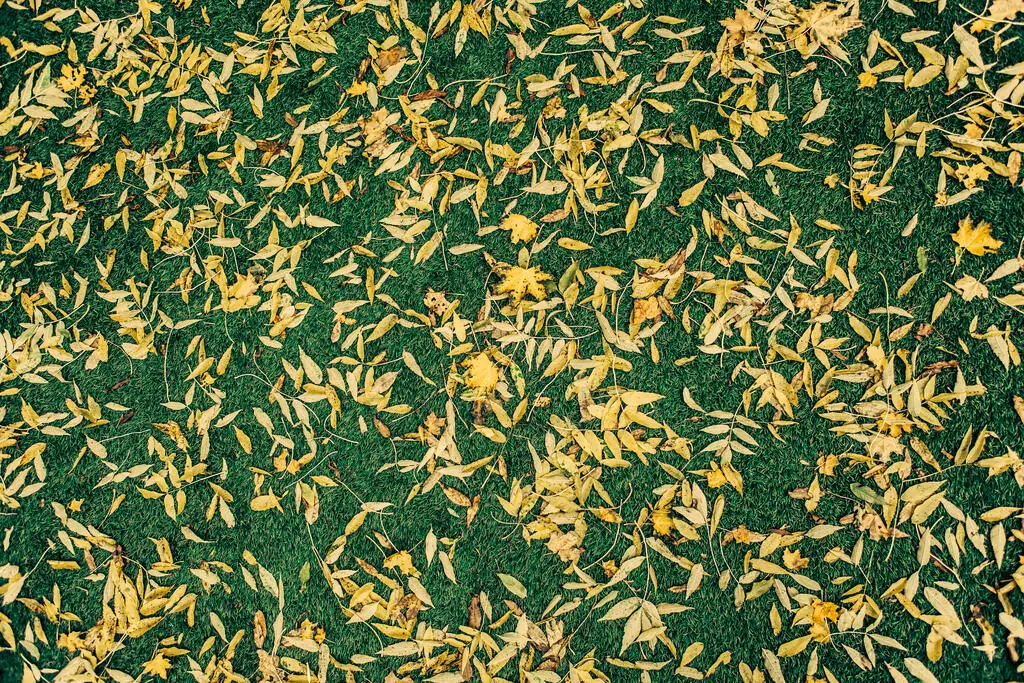
Mulch the First Leaves, Rake the Last Ones
The first light leaf fall in early October can go straight back into an East Texas lawn through the mower deck. Where the line is, why post oak, sweetgum, and pecan litter starts smothering St. Augustine, and the week in November when mulching stops working.
Read the post
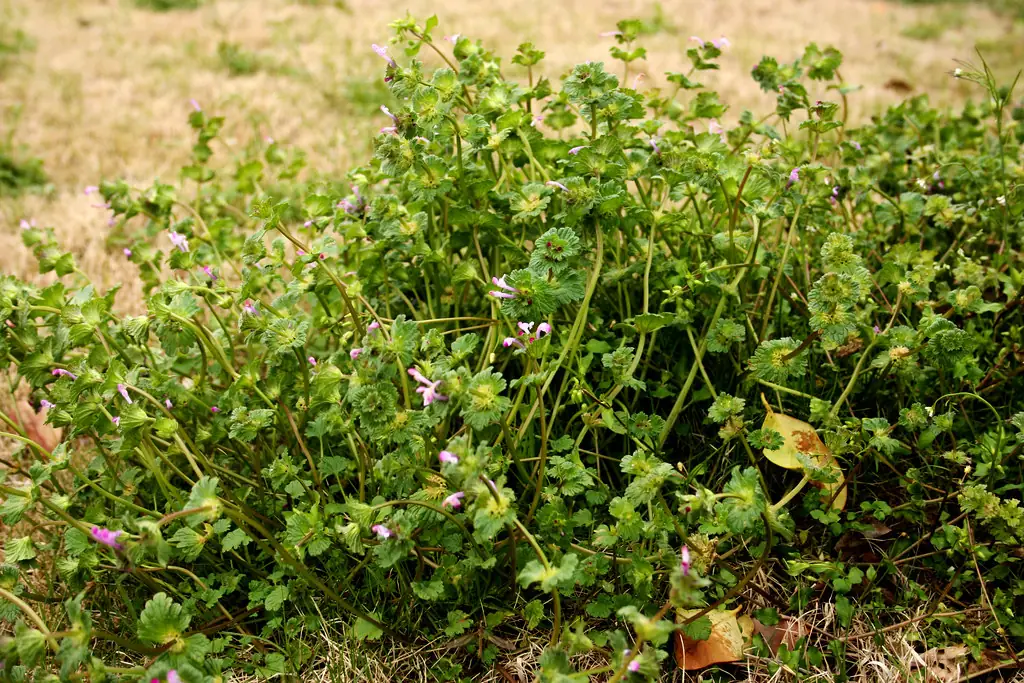
The Fall Window That Decides How Many Winter Weeds You Fight in February
Fall pre-emergent in East Texas is timed off soil temperature falling through 70 degrees, not off a date on the calendar. Why that window sets how much annual bluegrass, henbit, and chickweed you fight in February, and why watering it in is not optional.
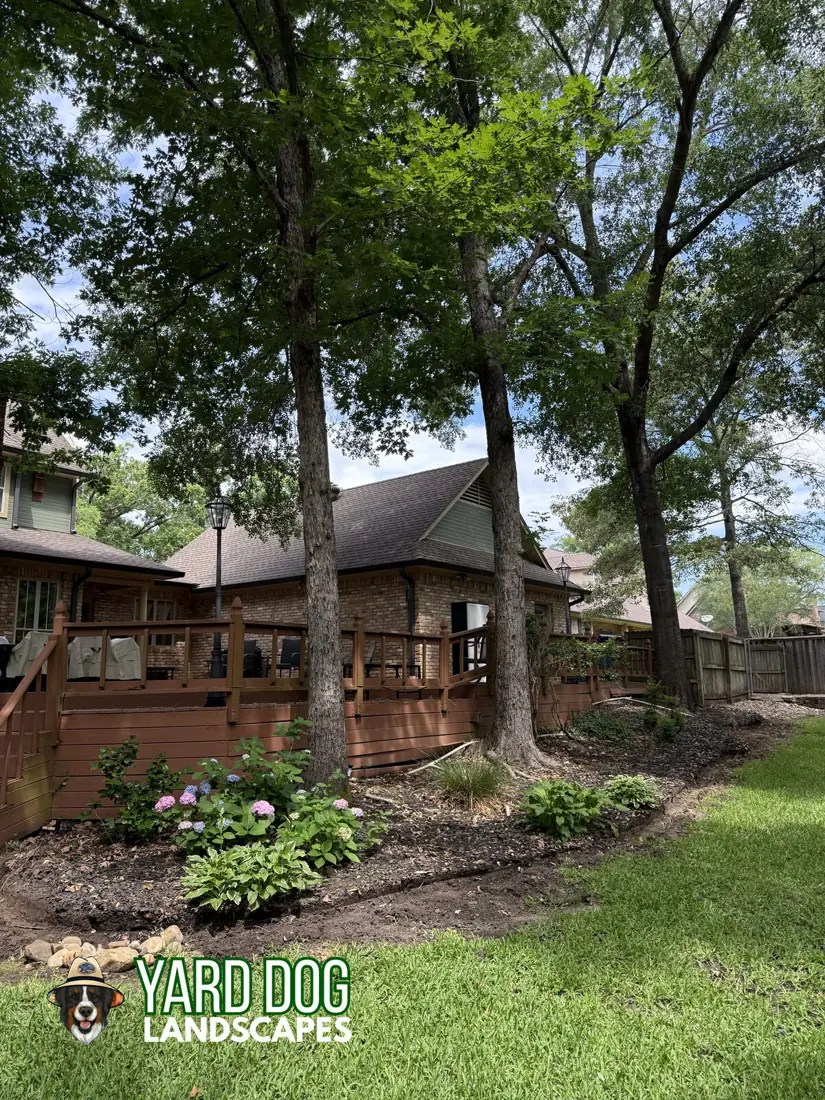
Beds Need a Fall Top-Dress, Not a Full Mulch Reload
Why a thin fall top-dress beats stripping and reloading a bed in September, how much of last spring's mulch has already turned into soil, what a winter mulch layer does for roots in East Texas clay, and why mulch piled against stems causes more damage than no mulch at all.
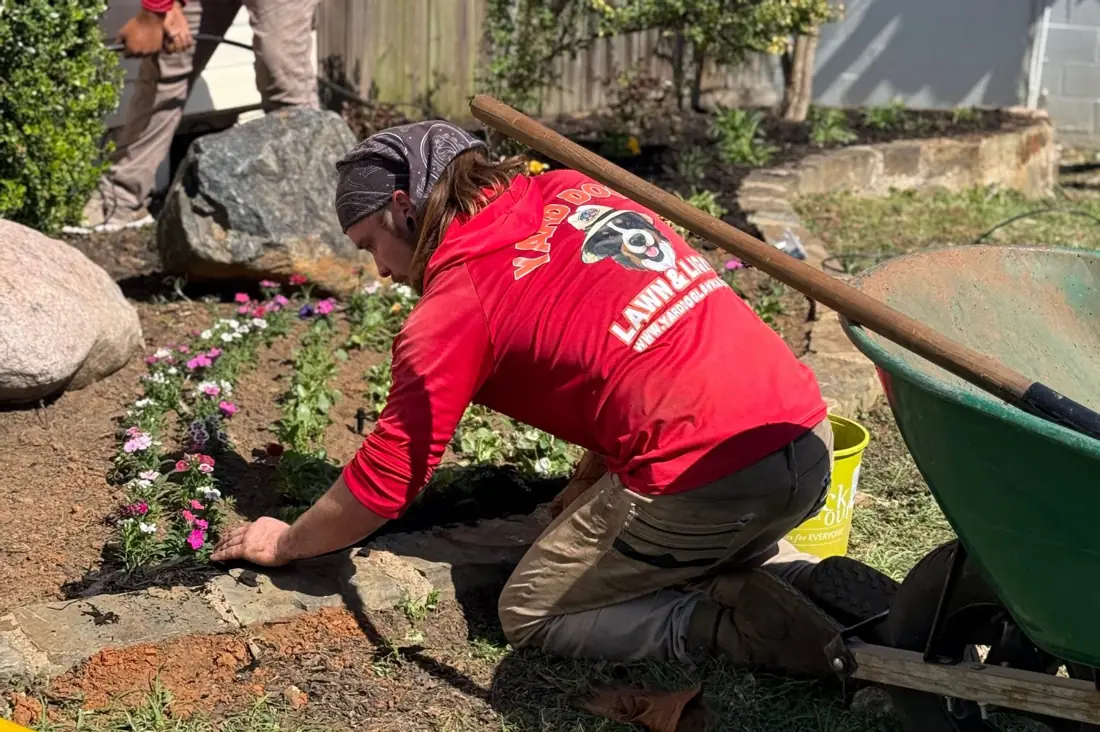
Fall Beats Spring for Planting Trees and Shrubs in East Texas
September through November is the real planting window in East Texas. Why warm soil under cooling air lets a new tree build roots for six months before it ever sees heat, how to water a new tree through a Longview winter, and why a spring-planted tree spends its first summer in survival mode instead of growing.
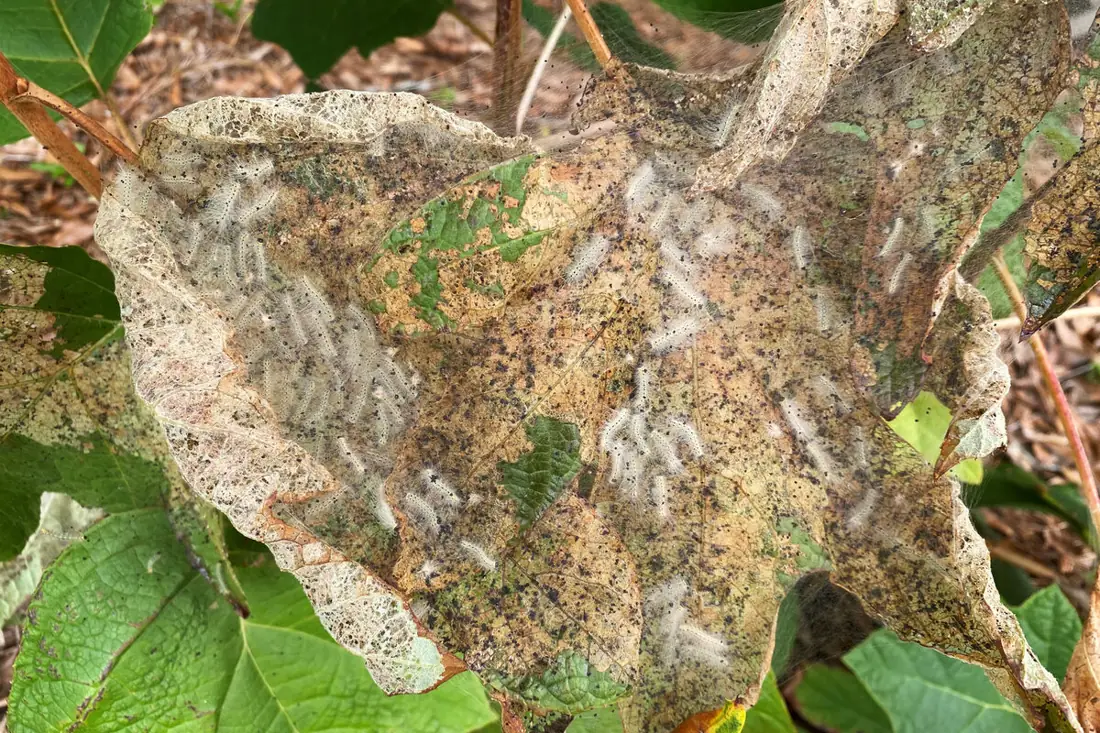
The Webbed Nests Taking Over East Texas Pecans in Late Summer
Those white webs swallowing the ends of pecan and sweetgum branches in September are fall webworms, not bagworms and not tent caterpillars. How to tell the three apart, why our trees get hit hardest, when pruning a nest out is worth the trouble, and when a mature tree just shrugs it off before leaf drop.
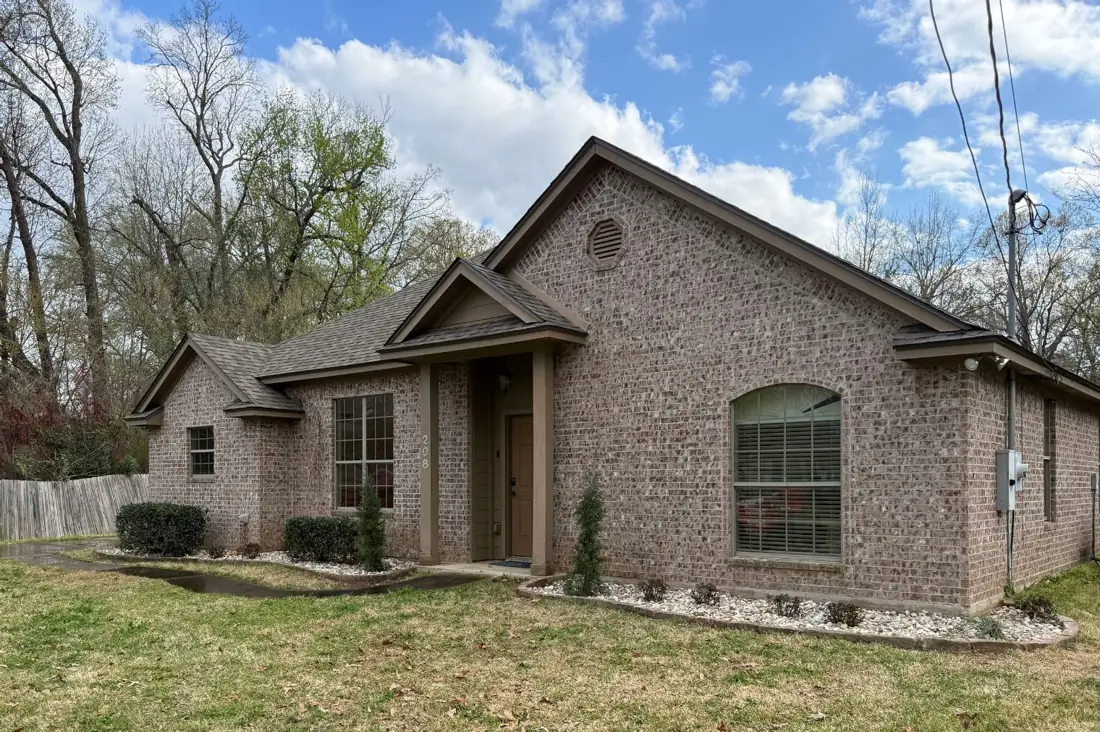
Late August Is When You Set Up Your Fall Lawn, Not September
The East Texas fall lawn reset gets decided in the last two weeks of August, not in September. When to aerate warm-season turf, why the last real nitrogen feeding goes down earlier than the bag suggests, and whether overseeding is worth it on bermuda and St. Augustine.
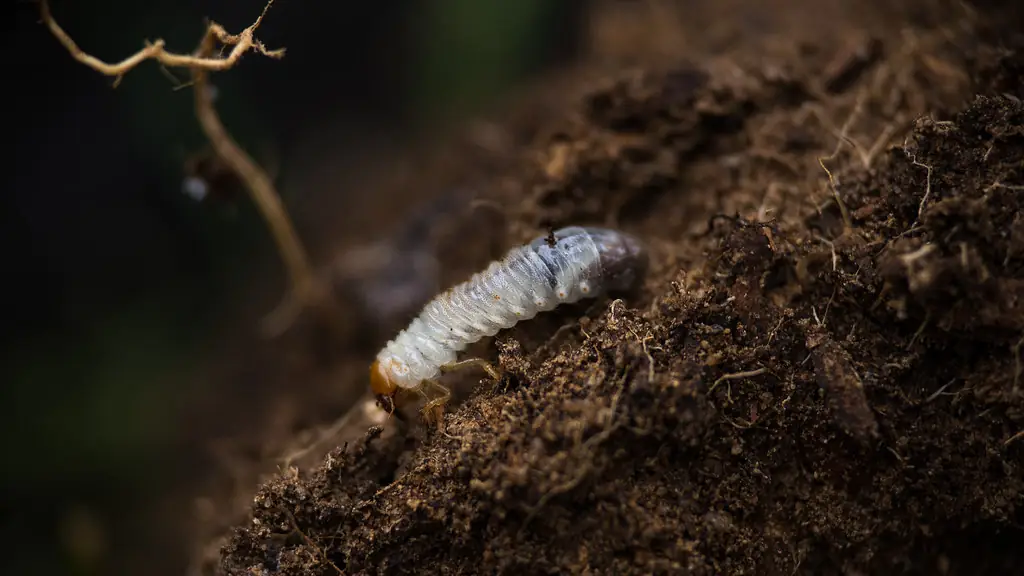
The Late-Summer Grub Damage That Peels Up Like Carpet
Turf that lifts like a rug with no roots underneath isn't drought stress, it's white grubs. The ten-second tug test, the birds and armadillos tell, and why late August is when East Texas grub damage gets ugly fast.
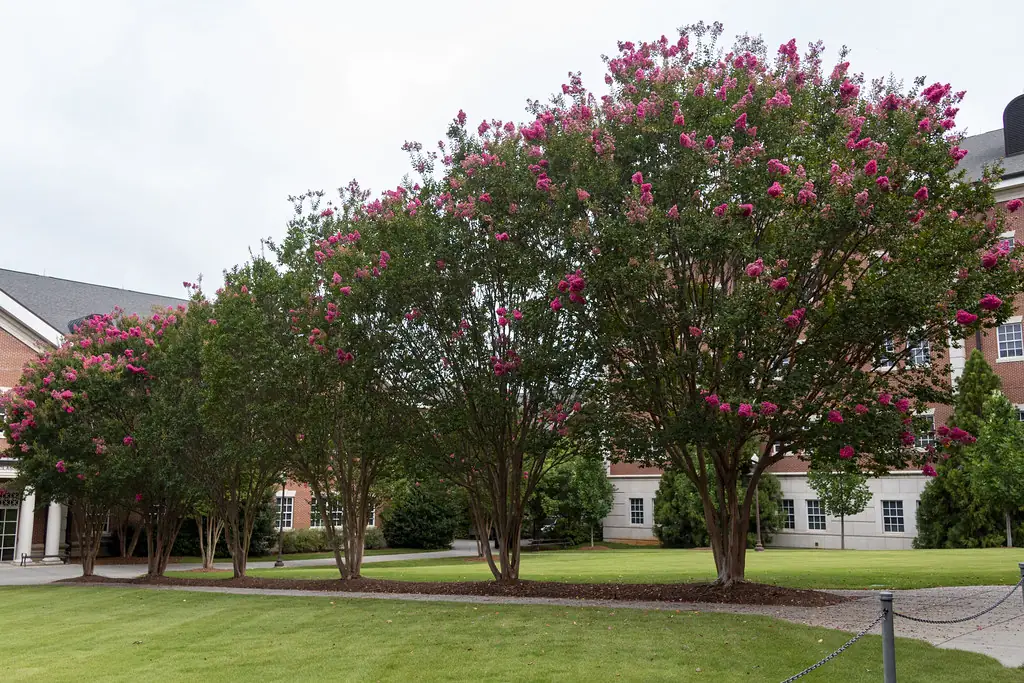
Stop Topping Your Crepe Myrtles: The Case Against Crape Murder
Topping a crepe myrtle back to knuckled stubs doesn't make it bloom more. It makes it grow back taller on weaker wood. How to spot a topped tree in August, how to prune one correctly in February, and how to bring a butchered crepe myrtle back.
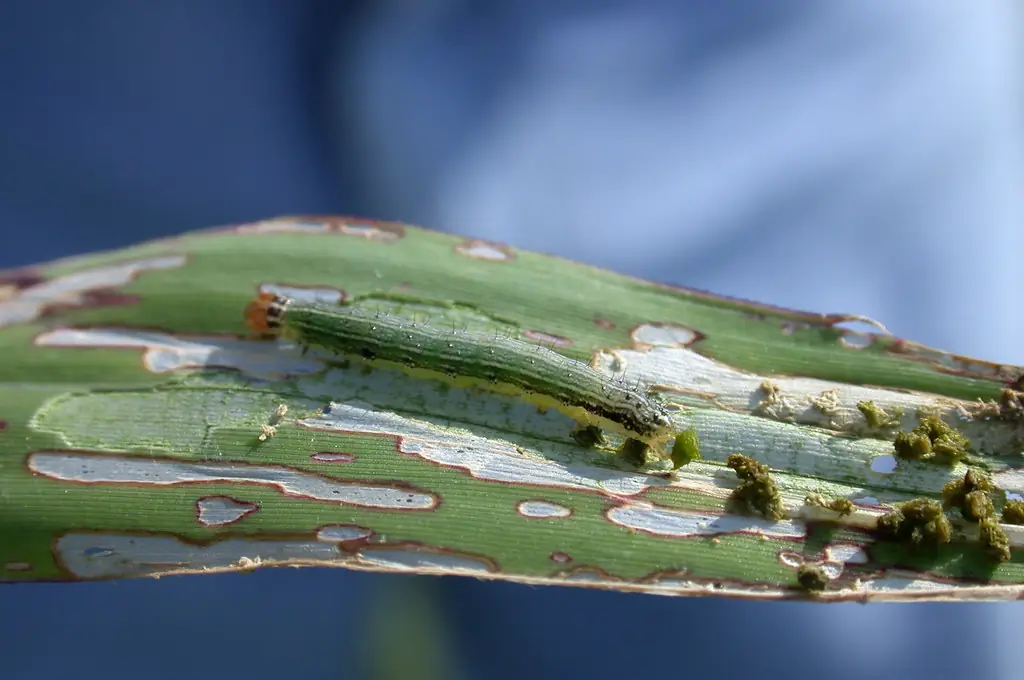
Armyworms Can Strip an East Texas Lawn Overnight in Late Summer
A green bermuda lawn can go tan in a day when fall armyworms march through. Here's how to read the frosted-tip and bird-flocking warning signs, the soapy-water test that confirms it in five minutes, and why worm size decides whether the lawn recovers.
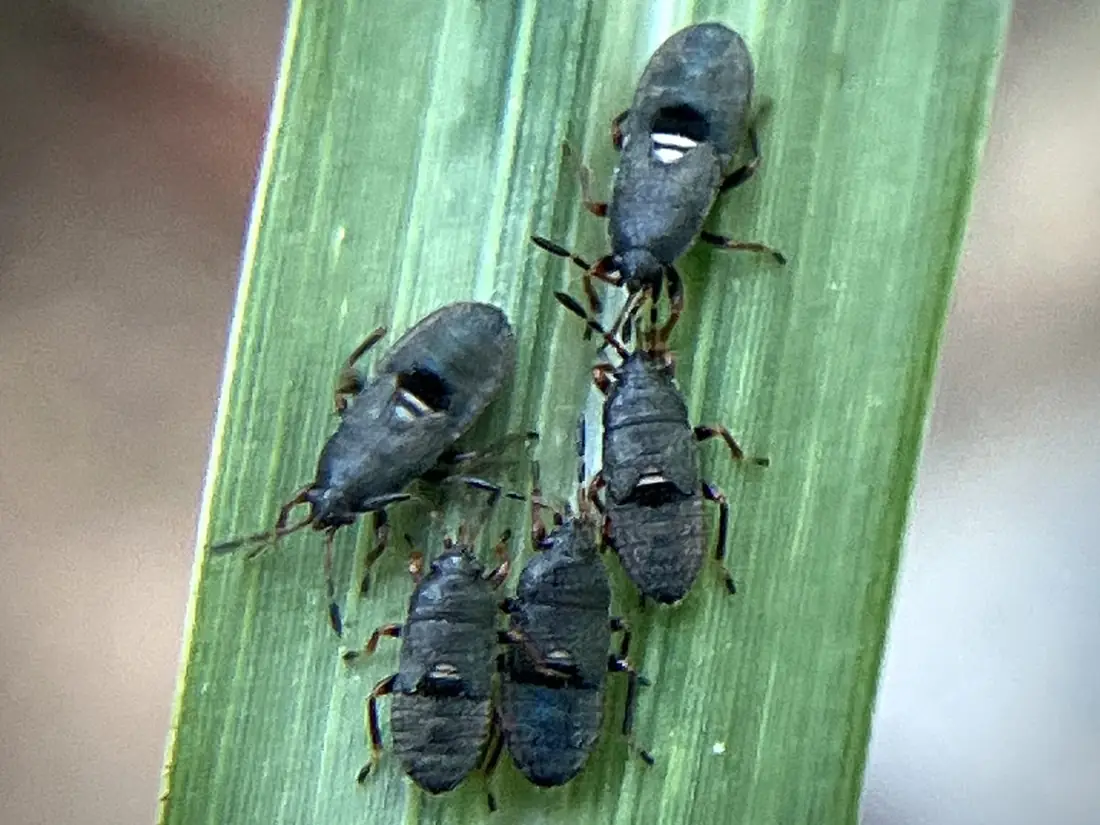
Why St. Augustine Dies in the Sunniest Part of the Yard in Late Summer
A dead patch in the sunniest part of a St. Augustine lawn in late summer usually isn't drought. It's chinch bugs. Here's how to scout the green-to-brown edge, why the hottest yards get hit first, and why watering it more makes it worse.
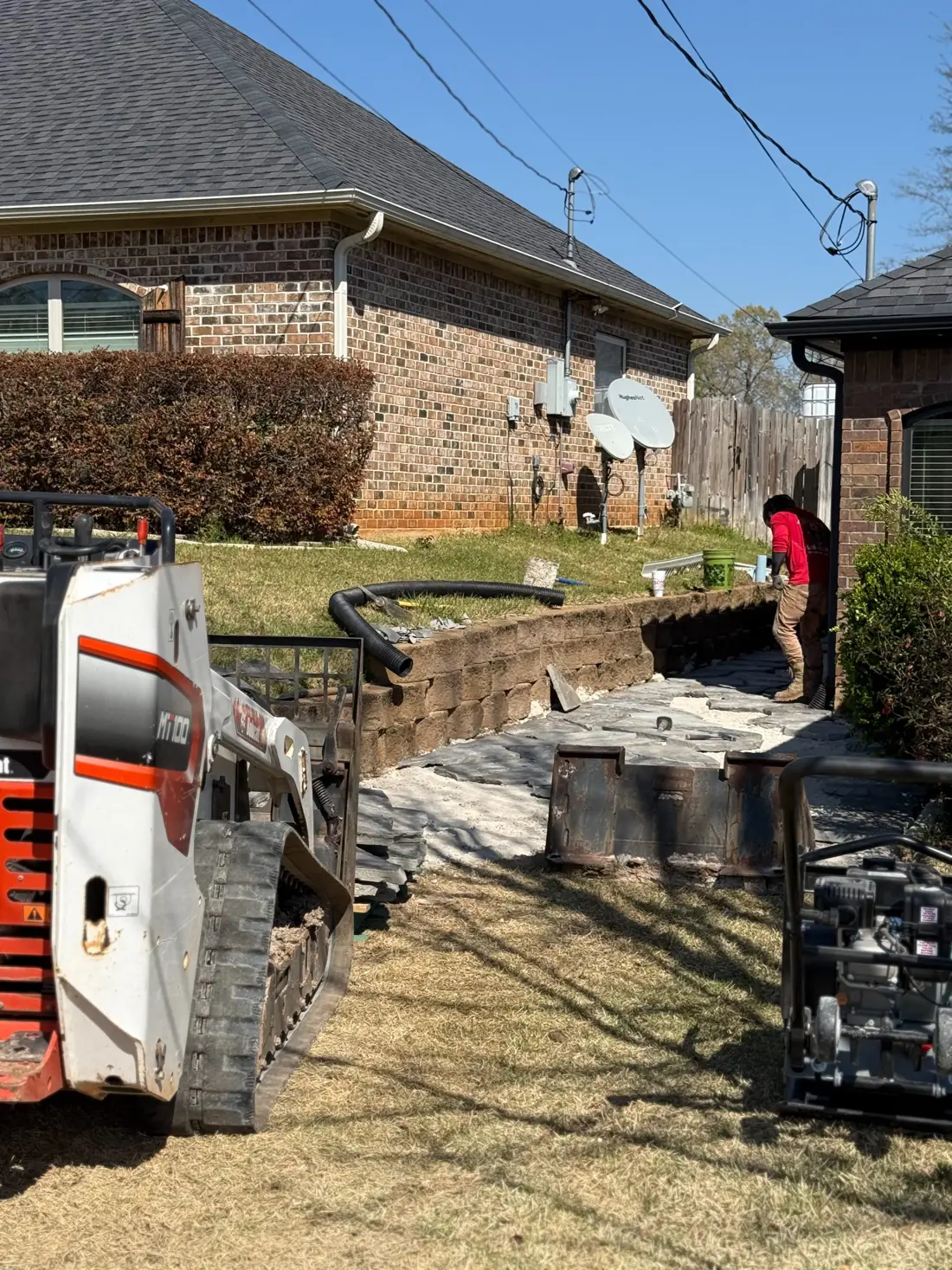
When Your East Texas Yard Needs a French Drain (And When It Doesn't)
Standing water after every rain doesn't always mean you need a French drain. Here's how to trace where the water is really coming from, the cheaper grading and downspout fixes that solve most soggy yards, and what a real drain install actually costs in East Texas.
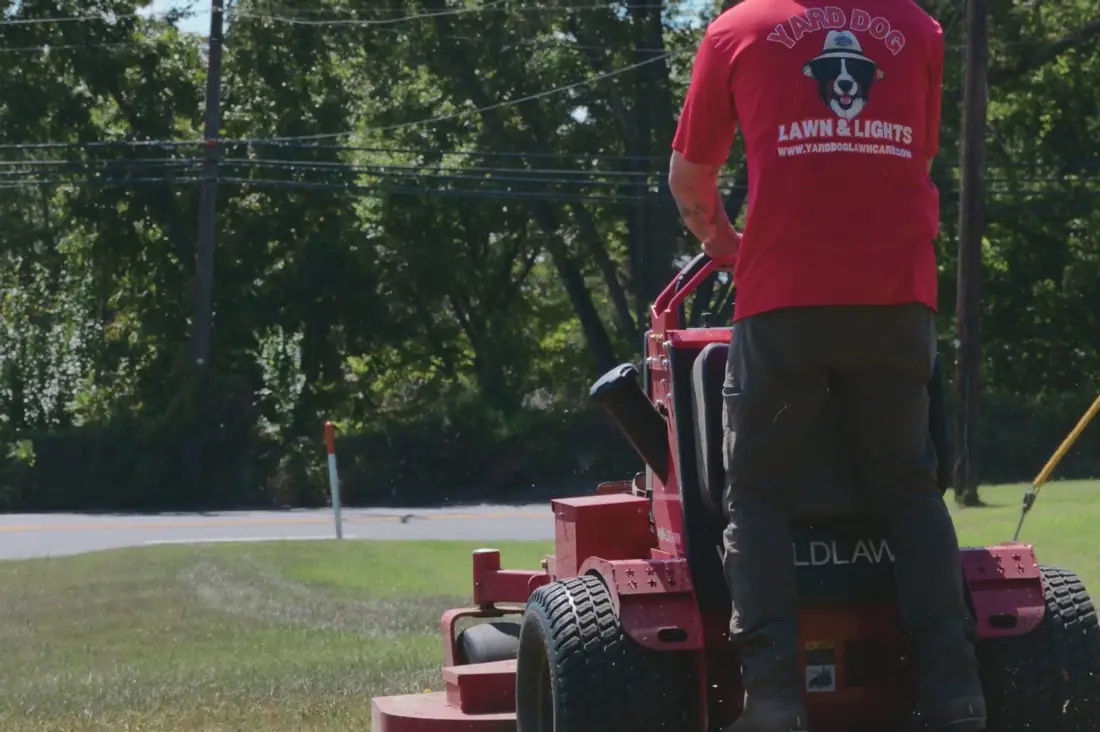
Why Mowing Shorter in Summer Backfires
Cutting your lawn short to skip a mow is the fastest way to cook it in an East Texas July. Short grass grows short roots and opens the door to crabgrass. Here are the right July deck heights for bermuda and St. Augustine.
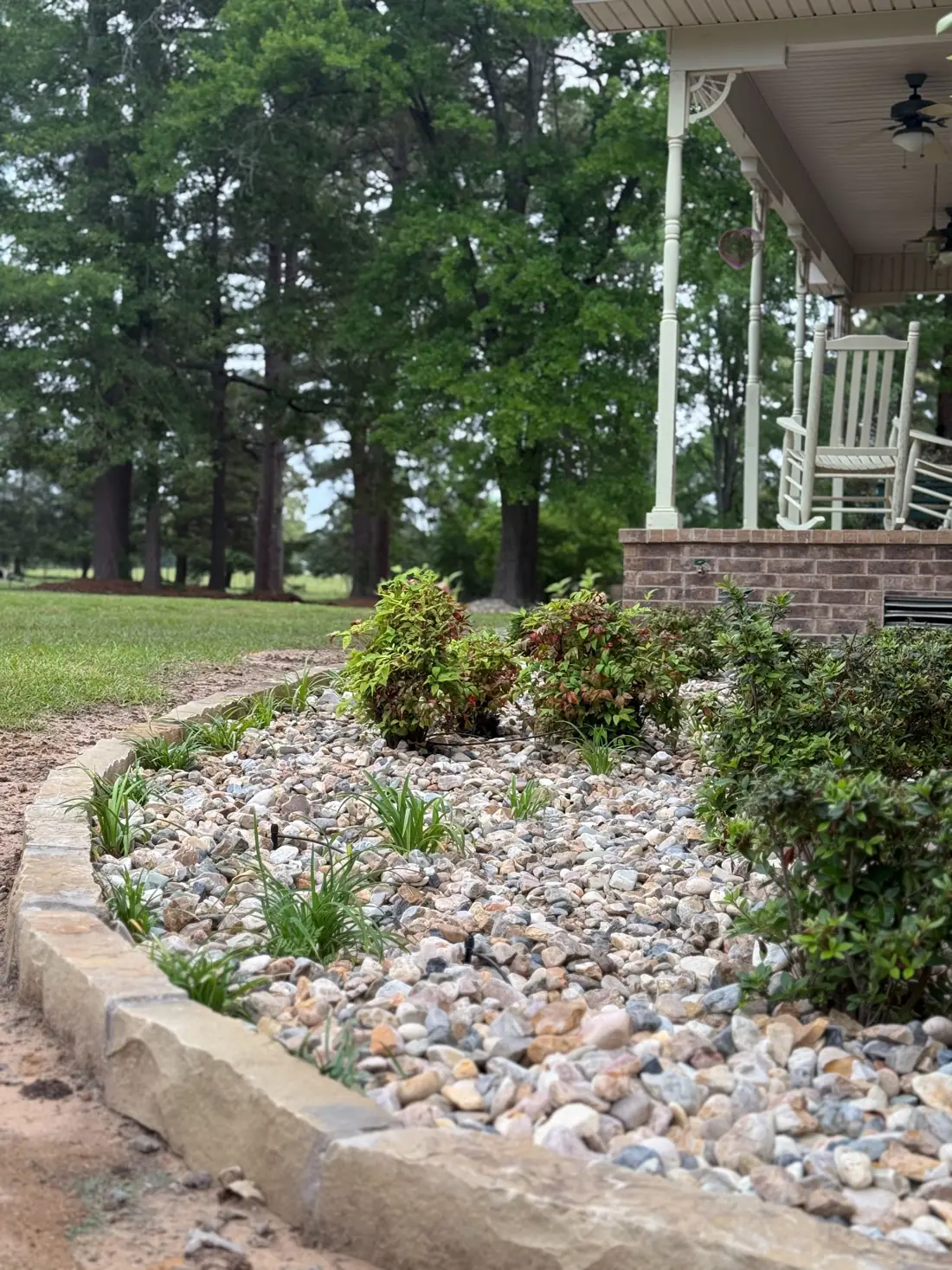
The Five Plants That Actually Survive a Longview July
Most bedding plants look great in May and cook by mid-July. These five, lantana, vinca, salvia, plumbago, and knockout roses, take a Longview summer and hold their color into fall. Here's how we plant each one.
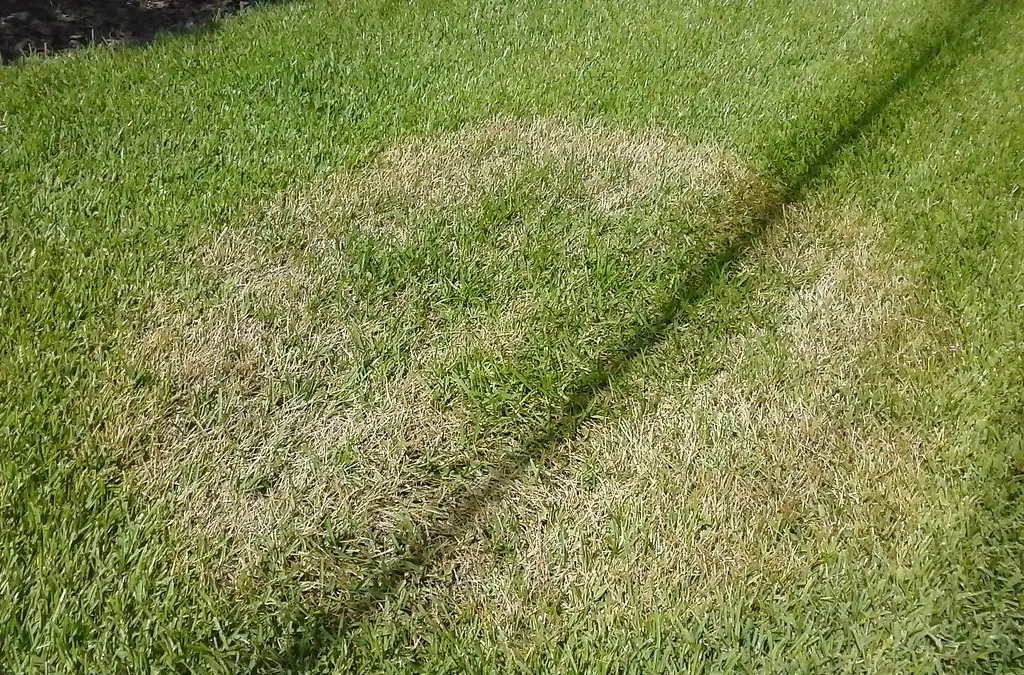
Brown Patch vs. Heat Stress: How to Tell the Difference (Before You Make It Worse)
Two East Texas lawns can go brown the same week for opposite reasons, and the fix for one kills the other. Here's how to tell fungus rings from heat stress before you grab the hose and make it worse.
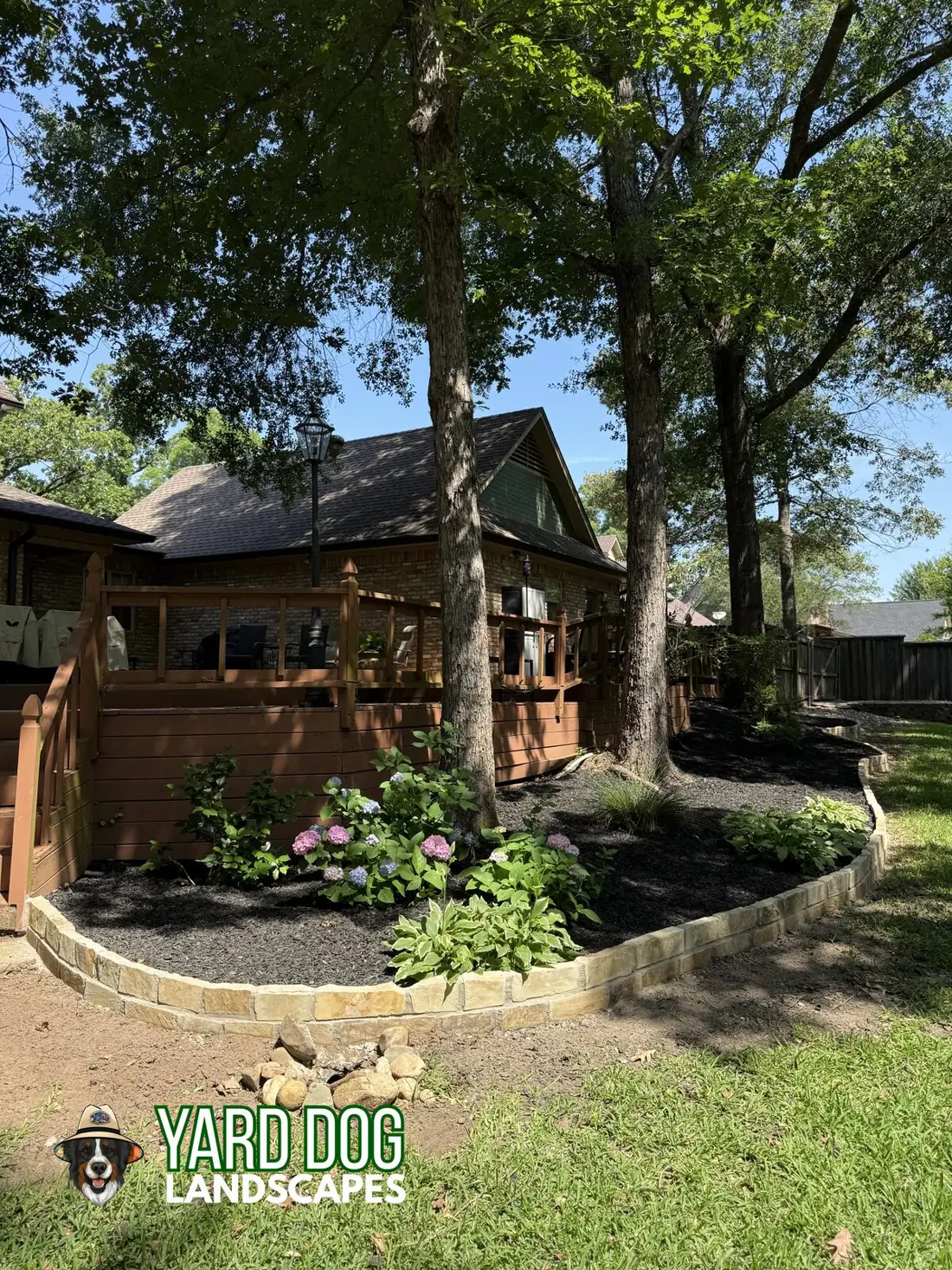
What You Should and Shouldn't Prune in June
In East Texas, a June haircut helps some plants and kills the bloom on others. Here's the difference between crepe myrtles, hollies, hydrangeas, and azaleas, plus the one tree you should never cut this time of year.
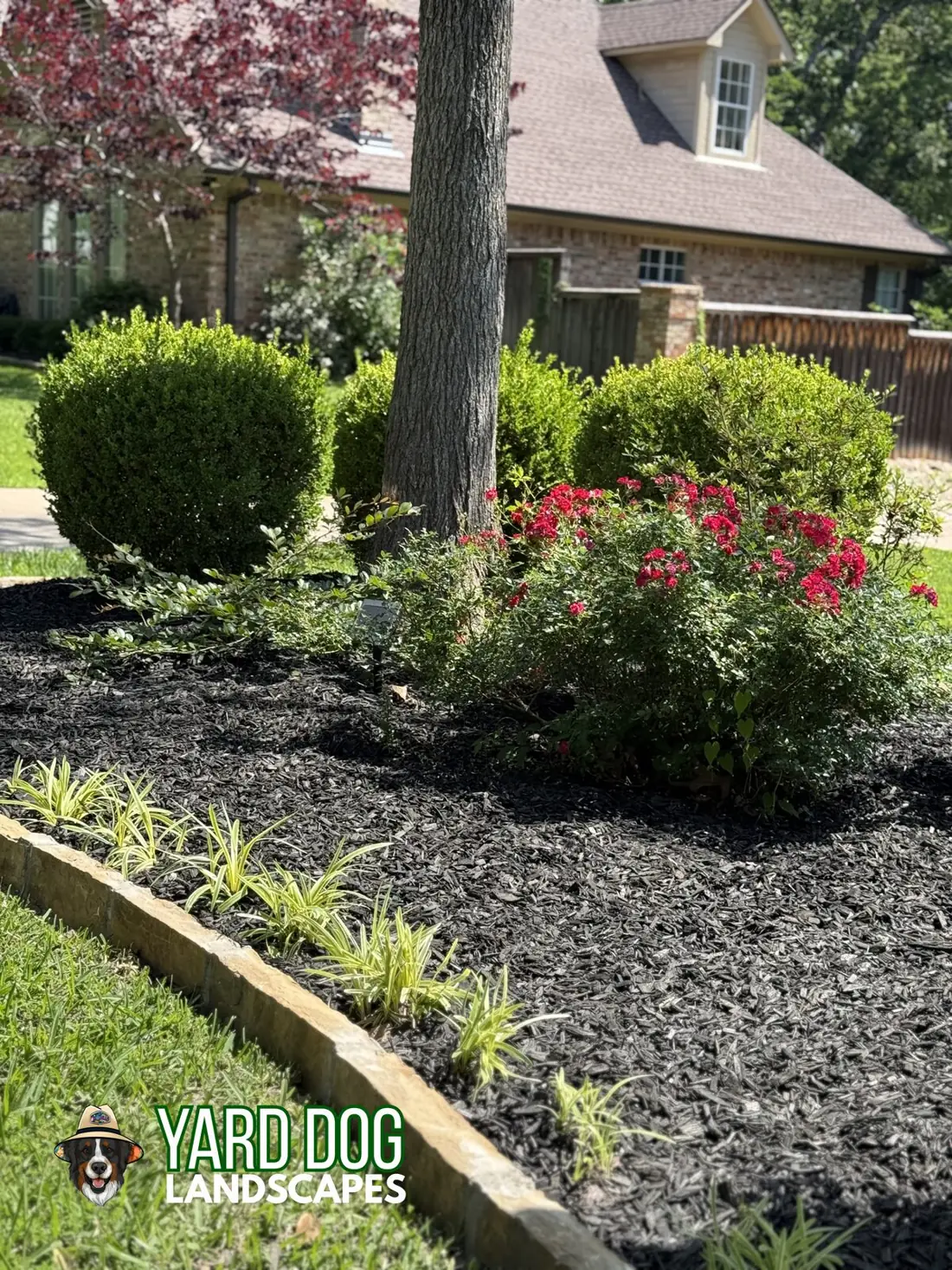
Why We Don't Put Landscape Fabric Under Mulch
Landscape fabric under mulch sounds like a permanent fix for weeds. In two or three years it's usually the worst weed bed on the block, and a mess to tear out. Here's what actually happens and what we do instead.
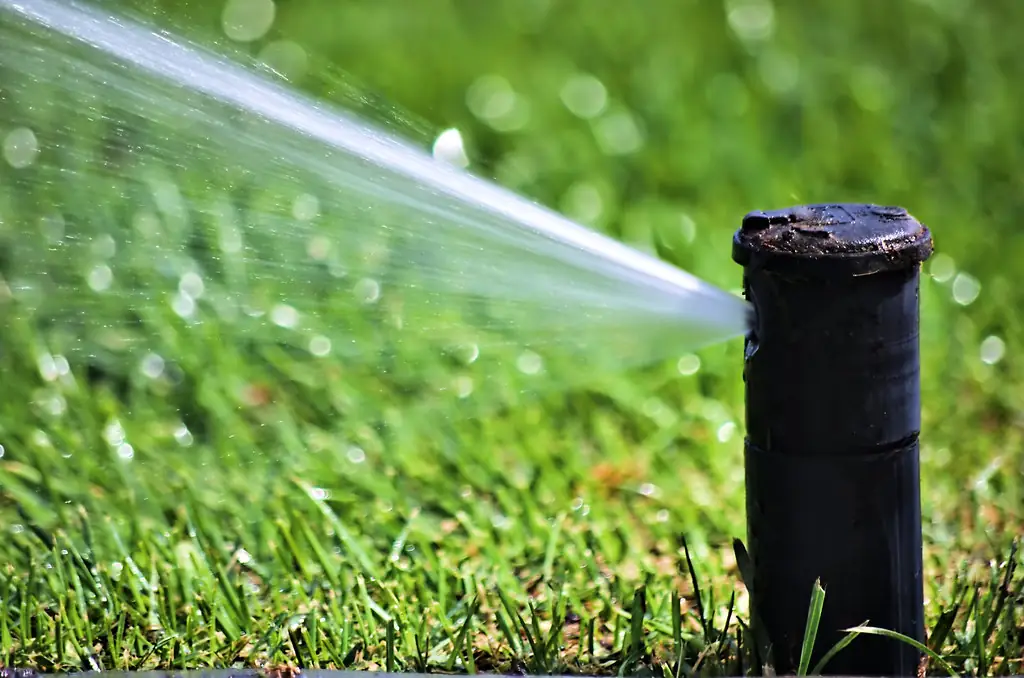
The Three Irrigation Mistakes That Cook East Texas Lawns
Your sprinklers run every day and the lawn still looks cooked by July. It's usually one of three mistakes: wrong time, wrong schedule, or a broken head nobody's noticed. Here's how to audit your own system in 20 minutes.
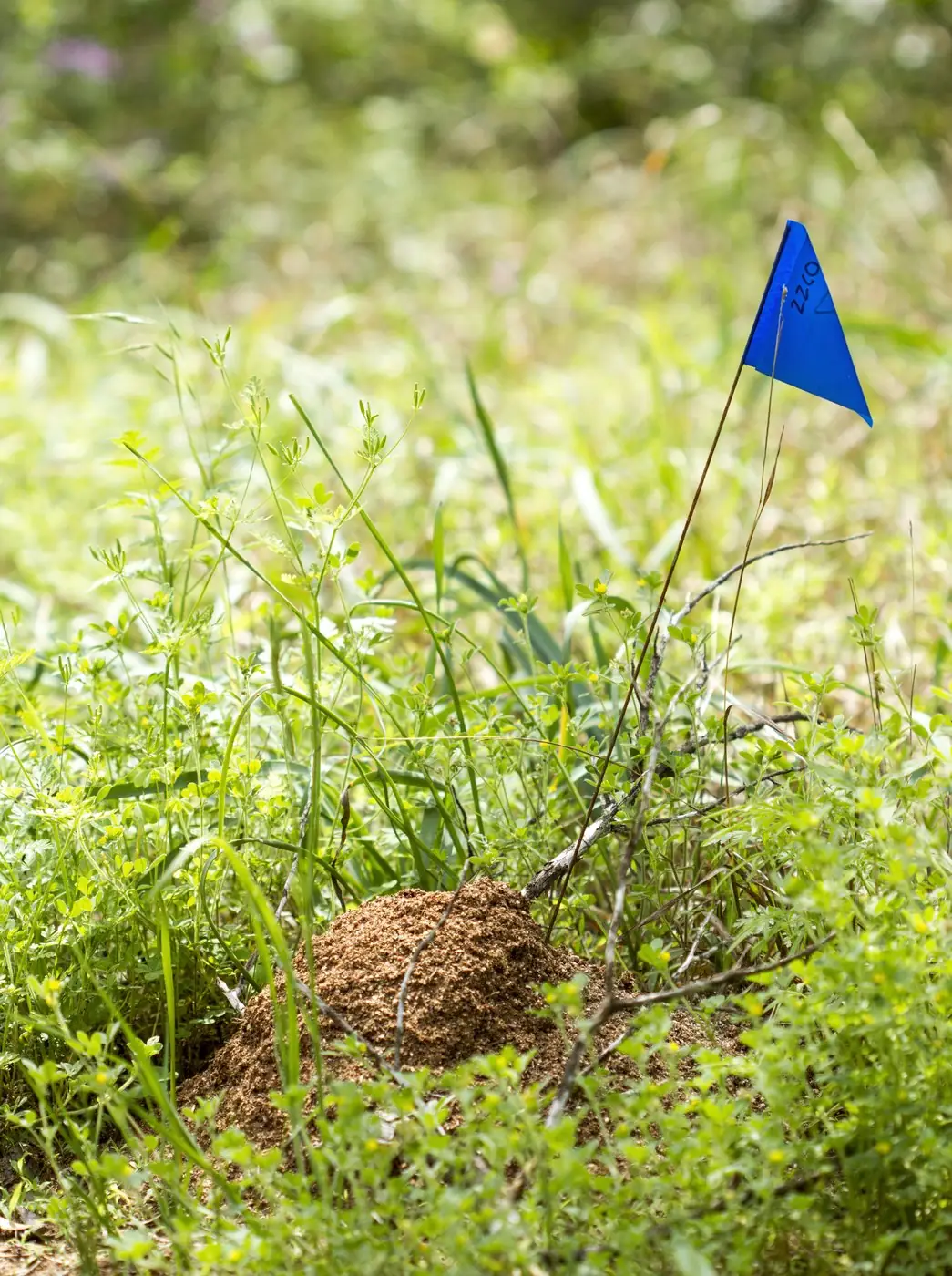
Why Fire Ants Explode in May (and What Actually Kills the Mound)
Fire ant mounds pop up everywhere in May for a reason. Most people treat them the slow, expensive way. Here's the two-product system that actually works in East Texas, and the order matters.
Bermuda vs. St. Augustine in East Texas: Which Fits Your Yard
Bermuda loves sun and foot traffic. St. Augustine handles shade. In East Texas, picking wrong means a thin, struggling lawn no fertilizer can fix. Here's how we decide on every property.
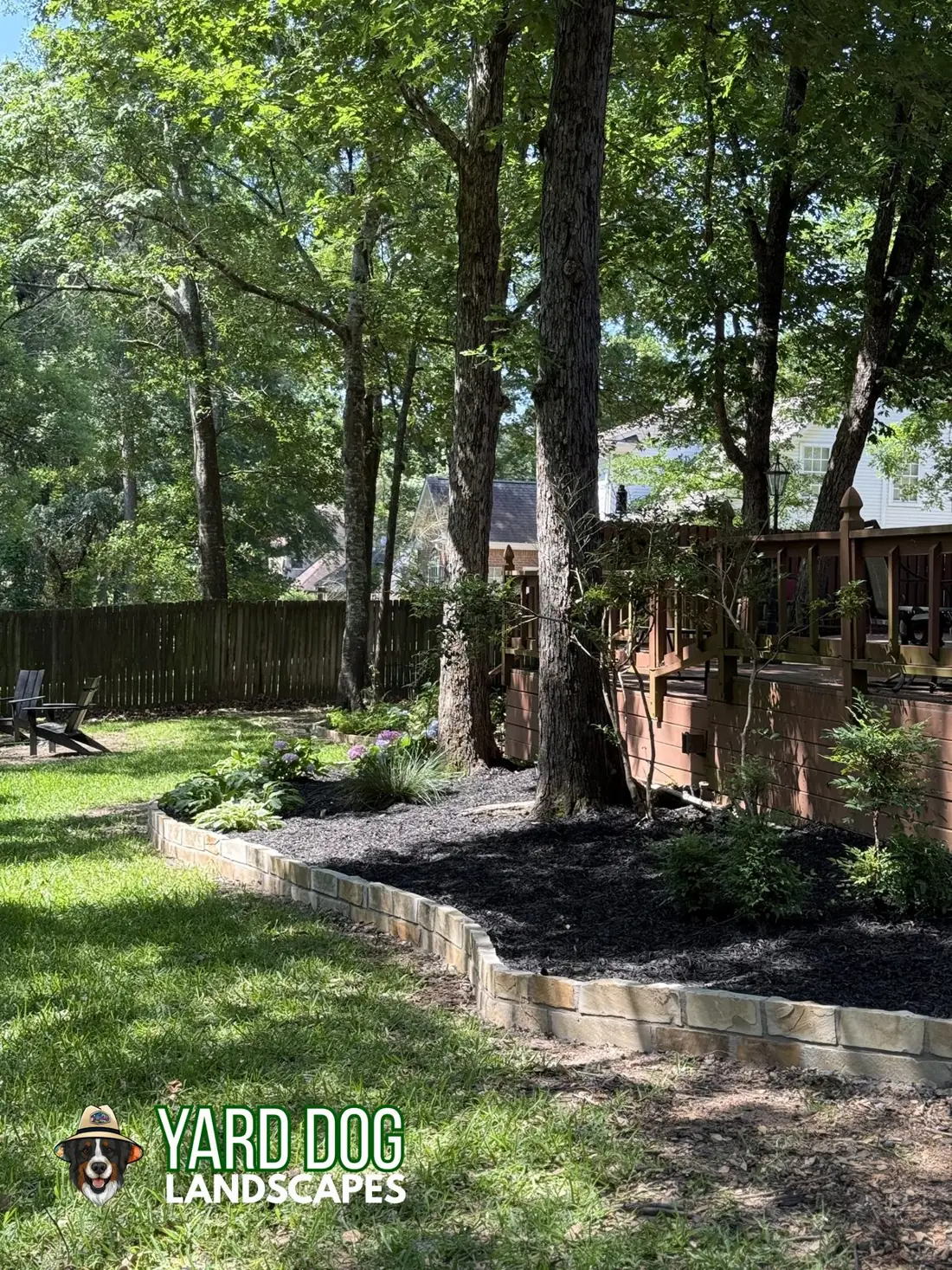
How Much Mulch You Actually Need (It's Less Than You Think)
Big-box stores tell you 3 inches of mulch. We do 1 to 1.5 inches and the beds look better, the weeds stay down, and your plants don't suffocate. Here's the math and the reason.
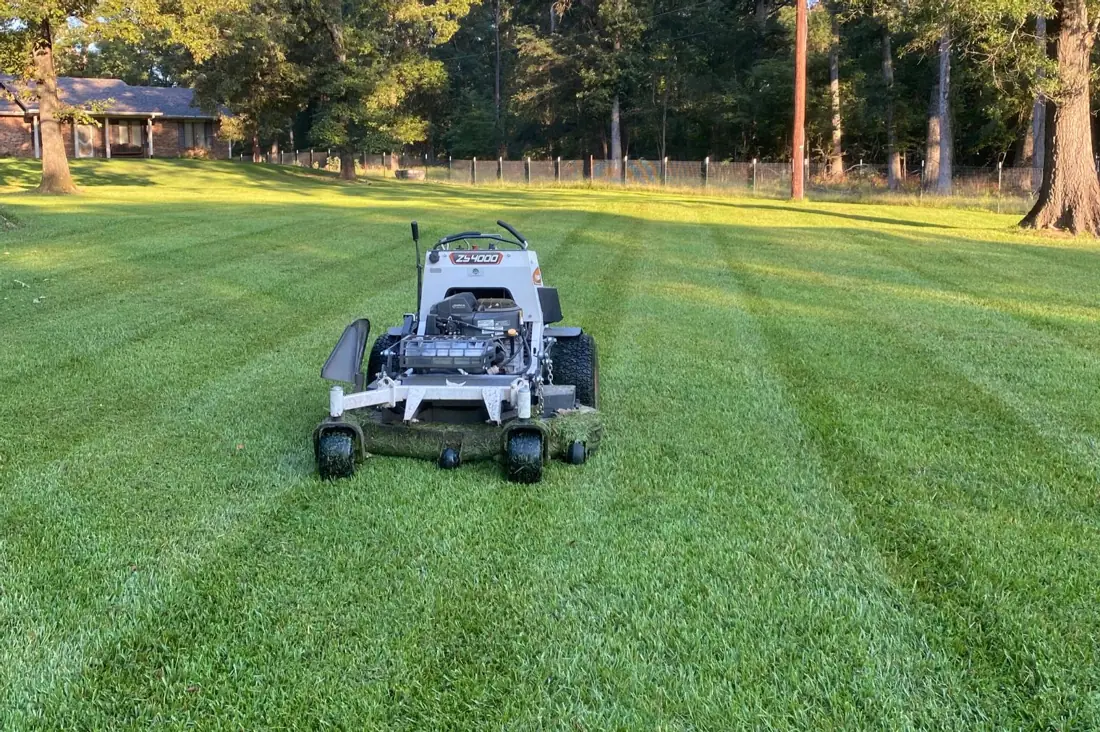
The East Texas Fertilization Window Most Homeowners Miss
Most people fertilize too early or too late. The May window in East Texas is short, real, and most homeowners blow right through it. Here's what to put down, when, and what we see go wrong.
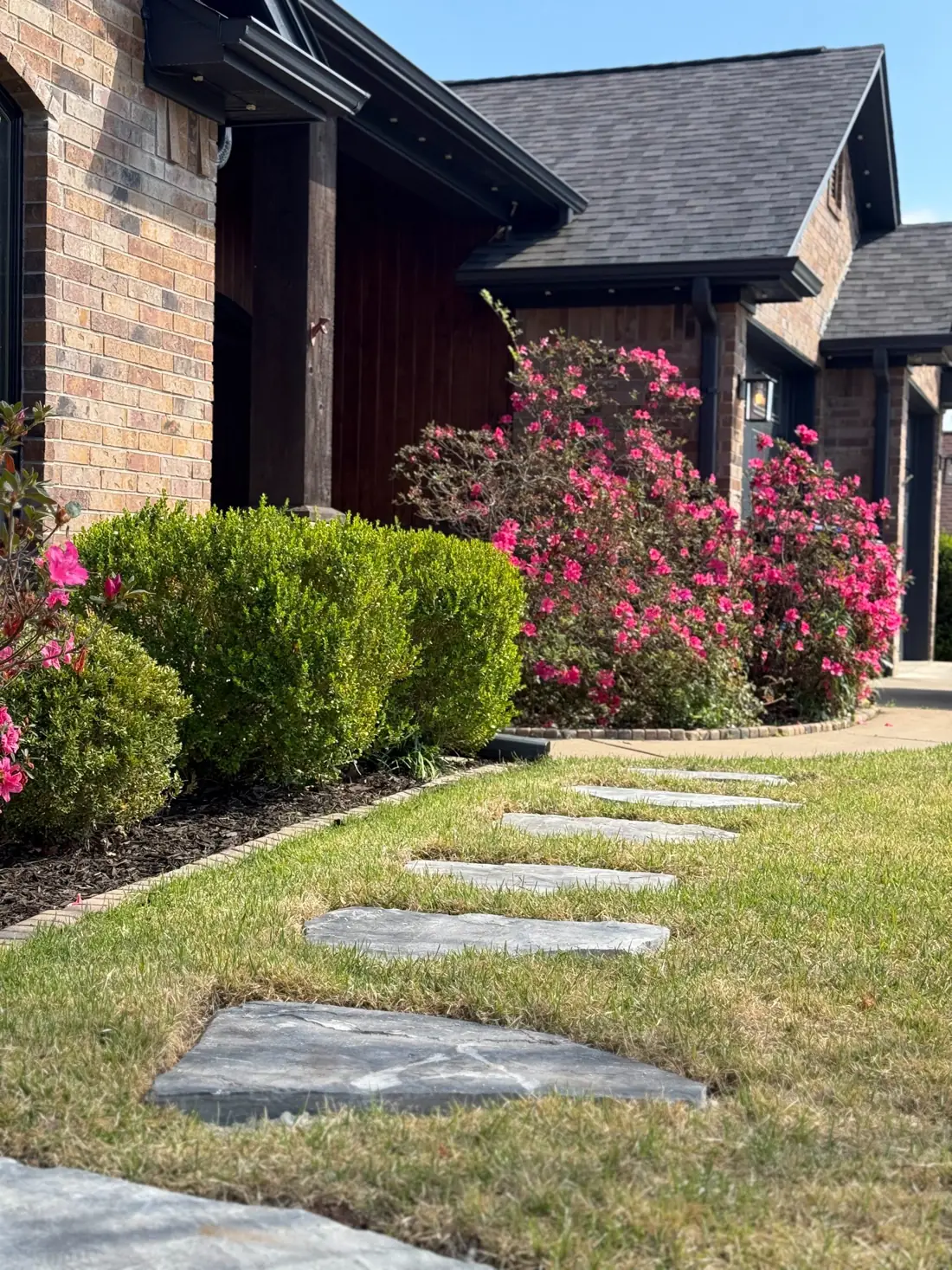
Why Your East Texas Lawn Looks Worse in July (And What Actually Helps)
Mid-July yard looking rough? Most East Texas lawn problems come from a handful of fixable mistakes. Here's what we see on almost every property, and what to change before this summer cooks your grass again.
Rather we just handle it?
Weekly lawn care, fertilization, beds and cleanups across Longview and East Texas. Free written quote within a day.