Why We Don't Put Landscape Fabric Under Mulch
It's one of the most requested things I hear at a bed install: "lay some weed fabric down first so I never have to pull a weed again." I get why. The pitch is perfect. The problem is that on a mulch bed it does the opposite of what you paid for, and the bill comes due in about three years.
Landscape fabric makes a promise that sounds airtight. Roll it over the dirt, cut holes for your plants, cover it in mulch, and weeds can't push up through it. For the first season or so, it mostly delivers. That's the part everybody sees, and it's why the stuff sells by the truckload at every big-box store in East Texas.
Then time does what time does, and the whole thing quietly turns into the worst bed on the block. Here's the part nobody shows you.
Mulch is supposed to turn into soil. That's the whole job.
Organic mulch (shredded hardwood, the brown and black stuff most beds get out here) is not a permanent topping. It's slow-release compost. It breaks down, and as it breaks down it builds the soil underneath into the dark, crumbly stuff your plants actually want to grow in. That decomposition is a feature, not a flaw. It's most of the reason we mulch in the first place.
The fine-ground mulch most beds get is largely gone in about a year. And every season that it breaks down, it leaves behind a thin layer of fresh, rich soil. On a normal bed, that new soil joins the ground below it. On a fabric bed, it has nowhere to go. It just stacks up on top of the sheet.
So you end up building a flower bed on the wrong side of the barrier.
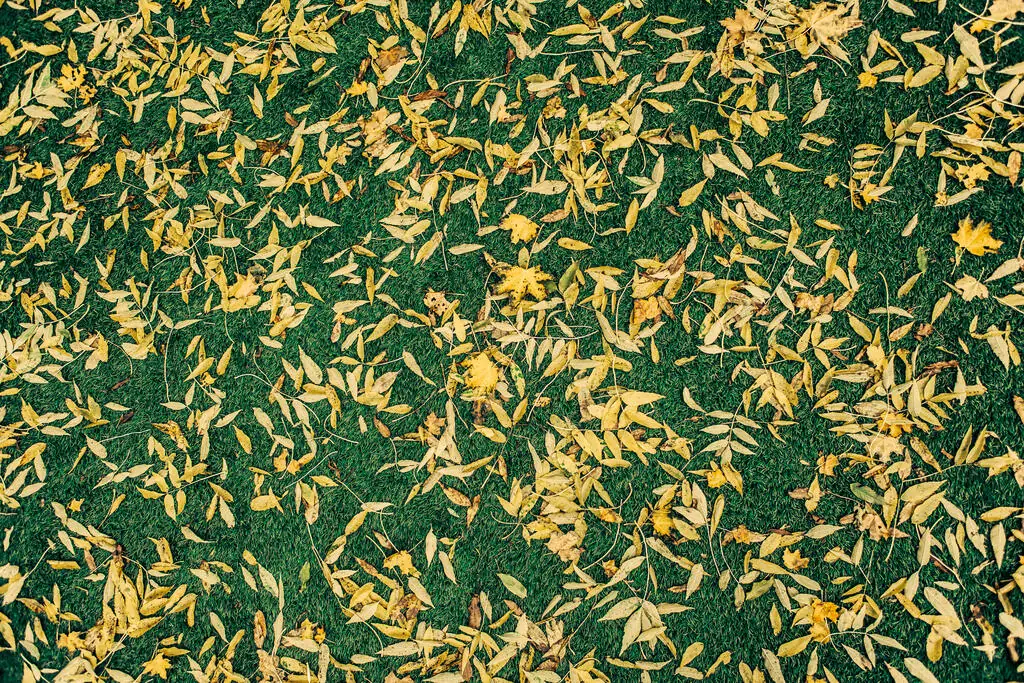
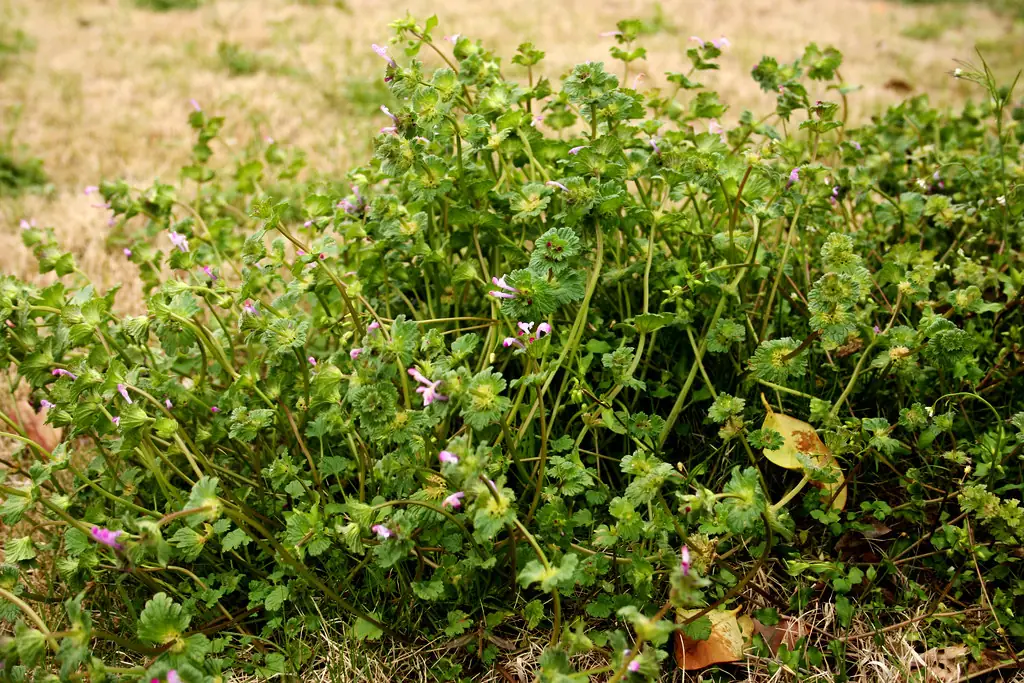
Think about what you've got after two or three years: a layer of broken-down mulch, which is now just soil, sitting on top of the fabric. Weed seeds don't only come up from the dirt below. The vast majority blow in on the wind or get dropped by birds, and they land on the surface. They settle into that new soil layer, and they sprout in it.
Now the fabric is underneath the weeds. The barrier you paid to block weeds is sitting below the exact spot where the weeds are growing. It does nothing for them. You've built a perfect little seed bed right on top of the one thing that was supposed to stop it.
And here's the part that turns annoying into expensive: those surface weeds send roots straight down, and they punch right through the fabric to anchor. So when you grab a handful and pull, you don't get a clean weed. You tear up a ragged sheet of mulch-stained fabric with it. I've pulled beds where the fabric came up in shredded strips tangled with roots, and the only real fix was to rip all of it out and start over. That is a far bigger job than the weeding it was supposed to save you.
While that's happening up top, the fabric is starving the bed.
The damage isn't only cosmetic. A sheet of fabric between your mulch and your soil cuts off the thing that keeps a bed alive. The mulch can't feed the ground anymore, so the soil under the fabric stops getting richer and slowly goes lifeless and compacted. Water and air have a harder time getting down to the roots. Earthworms, which are the free tillers doing your soil a favor every night, can't move between the layers.
So your shrubs and perennials, whose feeder roots want to live in that top few inches of loose, rich soil, instead hit a plastic ceiling. Plants in fabric beds tend to sulk over the years for reasons the homeowner can never quite pin down. The fabric is usually it.
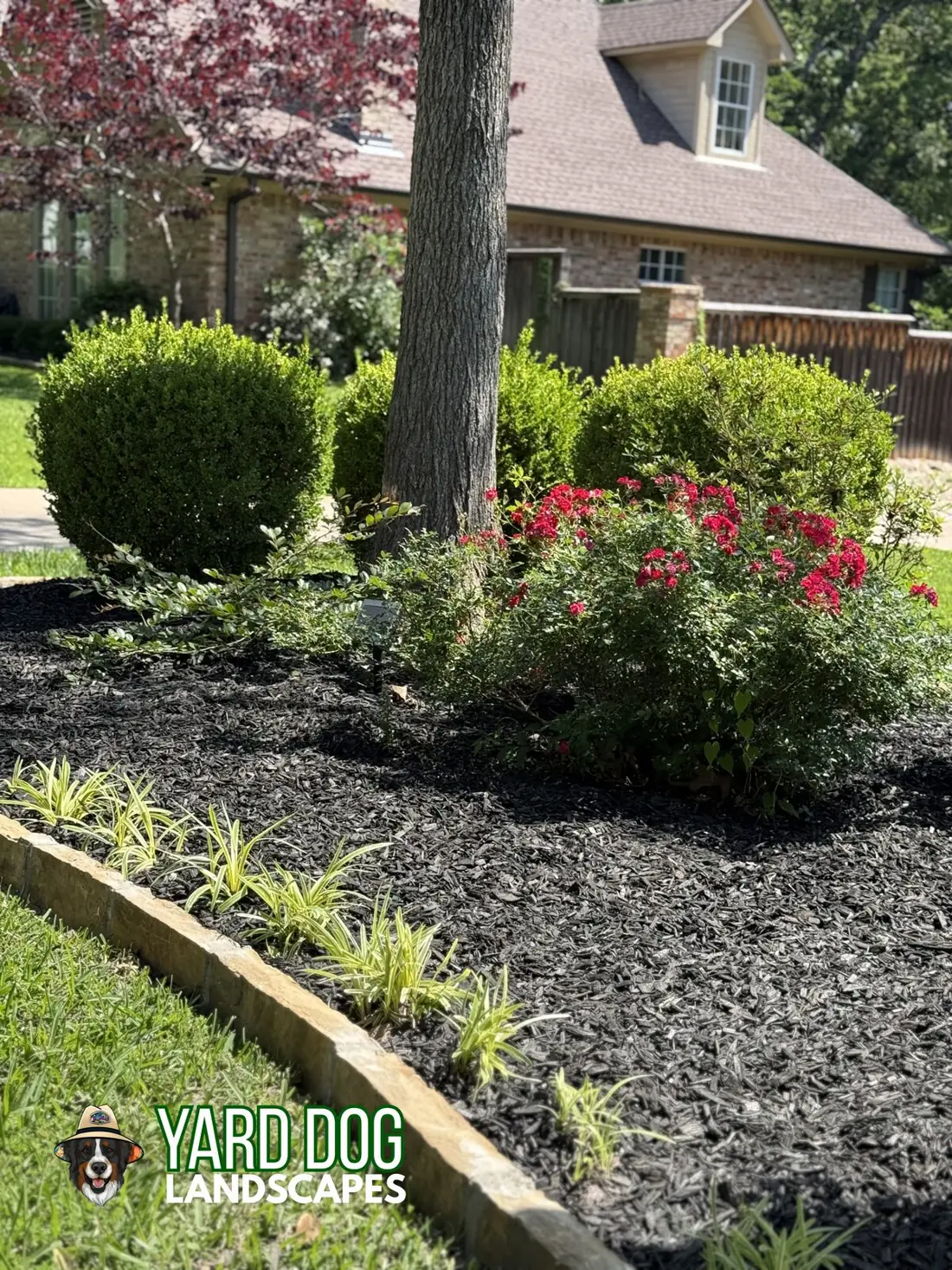
What to do instead: on a mulch bed, skip the fabric entirely. Edge the bed clean so grass can't creep in from the sides, then lay mulch at the right depth, about an inch to an inch and a half, and top it off thin each spring. The mulch is your weed suppression and your soil builder at the same time. A few minutes of hand-pulling a couple times a season beats tearing out a failed fabric bed in year three, and your soil gets better every year instead of worse.
There is one place fabric absolutely belongs.
I'm not anti-fabric. I'm anti-fabric-under-mulch. Under material that never breaks down, fabric is the right call and we install it that way all the time. River rock, gravel, decomposed granite, the rock beds we run along foundations and down drainage channels: that's where a good fabric earns its money. It keeps the rock from sinking into the mud below and stops weeds in a spot where nothing is decomposing on top to give them a foothold.
The rule is simple. If the top layer breaks down, fabric will fail you. If the top layer is rock that lasts forever, fabric is worth every penny. Mulch breaks down. Rock doesn't. That's the whole decision.
The short version.
Fabric under mulch trades a small, easy chore now for a big, ugly one later. It works just long enough to feel like a good idea, then the mulch composts on top of it, the windblown weeds move into that new layer, the roots lock through the sheet, and the soil underneath quietly dies. Three years on, you're paying someone like me to haul it all out.
We install and refresh mulch beds the right way, fabric and all where it actually helps, on properties all over Longview, Hallsville, White Oak, Kilgore, and Gladewater. If you've got a fabric bed that's turned into a weed patch, or you're about to start one and want it done so it still looks clean in five years, that's exactly the kind of thing we'll walk and sort out with you.

Miller Maines owns Yard Dog Landscapes in Longview, TX. He has worked East Texas yards since 2017 and still walks every property himself.