What to Cut Back in Your Beds This Fall, and What to Leave Standing
The fall cleanup instinct says cut everything to the ground and call it done. In East Texas that is half right. Some plants should come down after the first frost. A lot of the others do better standing until late winter.
Fall cleanup is where a lot of beds get hurt. Somebody gets a free Saturday in October, takes the hedge trimmers to everything with a stem, and by spring half the perennials are slow to come back. The rule underneath is simple: cut back what is done, leave standing what is still working, and wait for a frost before you decide which is which.
Wait for the first frost.
A plant that is cut back while it is still green gets the signal to grow, and the new growth is exactly what the next freeze burns. The frost is how the plant goes dormant. After it, cutting does no harm.
Out here the first frost usually comes in the first half of November. Cleaning up earlier is not wrong, but anything you cut before dormancy risks tender regrowth. If you would rather not wait, do the jobs that do not involve cutting: pull weeds, pick up debris, and rake leaves off the beds.
Cut these back once the foliage collapses.
Hostas. After frost the leaves turn to mush. Cut them off at the base and bag them. Slugs lay eggs in the old foliage, so it is better off in the trash than in the bed.
Daylilies. Once the leaves yellow and flop, cut them down to a couple of inches. Left standing, they turn into a soggy tangle that holds moisture against the crown all winter.
Anything that had mildew or spots this summer. Phlox, bee balm, and peonies often did. Cut those plants to the ground and bag the debris instead of composting it. Disease overwinters in the old leaves, and removing them gives next year's growth a cleaner start.
Leave these standing until late February.
Ornamental grasses. Muhly, switchgrass, and fountain grass look good in winter, and the clump of old foliage insulates the crown. Cut them to a few inches in late February, before the new blades start coming up.
Salvias and lantana. These are the ones people cut too early. Cutting them back in fall invites freeze damage to the crown, and the standing stems protect it. Wait until the last hard freeze has passed, usually late February or March, then cut to a few inches above the ground and watch them take off.
Coneflowers, black-eyed Susans, and other plants with seed heads. Goldfinches and other birds feed on the seeds well into winter. Leaving them costs you nothing but a slightly shaggier bed.
Anything with hollow stems. A lot of native bees overwinter inside dry stems. Leave a few standing and they will be there next spring doing your pollinating.
Hydrangeas are the common mistake.
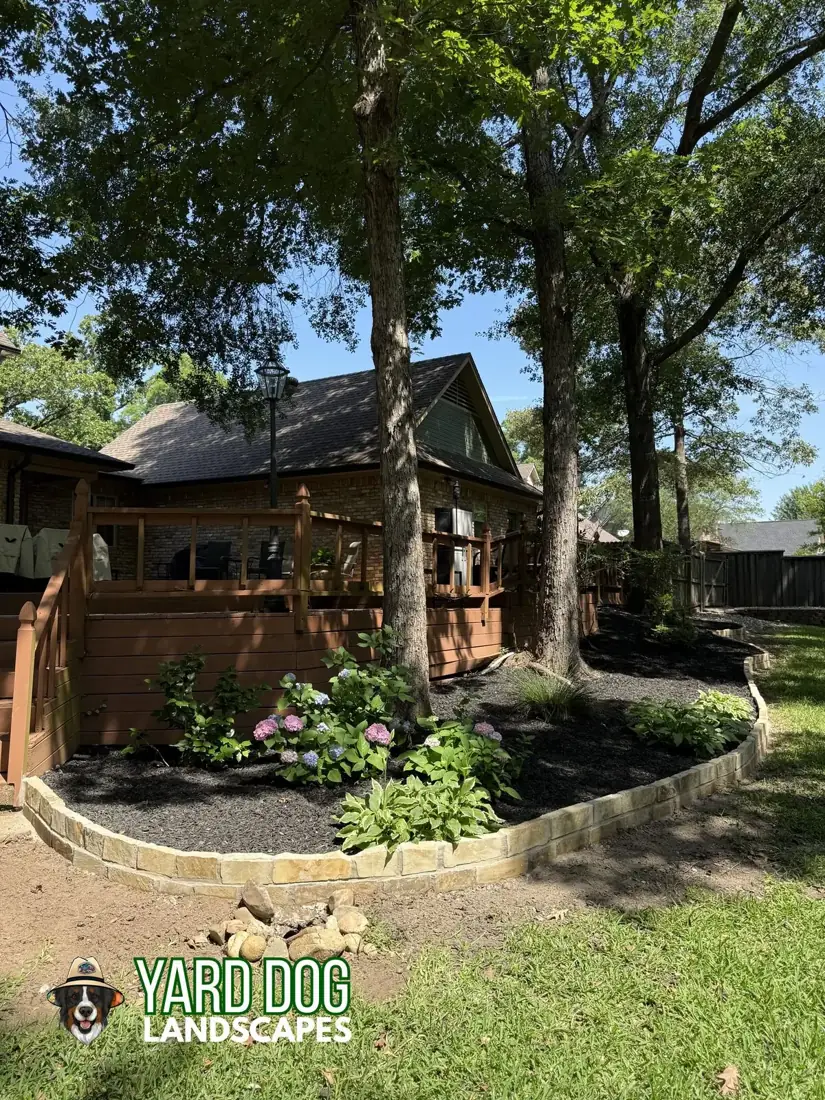
Bigleaf hydrangeas, the blue and pink mophead kind, set next year's flower buds on this year's stems. Cut them back in fall and you cut off next summer's blooms. Leave them alone except for wood that is clearly dead, and check that again in spring after they leaf out. Panicle and smooth hydrangeas bloom on new growth and can be pruned in late winter.
A cleanup order that works.
What to do instead of a one-day cut-everything pass: work through the bed in this order.
First, wait for the frost. Second, pull weeds and rake out leaves. Third, cut and bag the hostas, daylilies, and anything that had a disease. Fourth, leave the grasses, salvias, lantana, seed heads, and hydrangeas. Fifth, top-dress the bare soil with mulch. A thin fresh layer over the cleaned-up bed holds moisture and keeps the roots warmer through winter. We explain how much is enough in our post on fall mulch top-dressing.
Cold snaps are coming whether the beds are ready or not. If you want the other half of the winter prep, what to do the week before the first freeze is the companion to this one.
And if you would rather have a crew do the cleanup and refresh the beds, Yard Dog works on beds across Longview, Tyler, Kilgore, Gladewater, and the rest of East Texas.
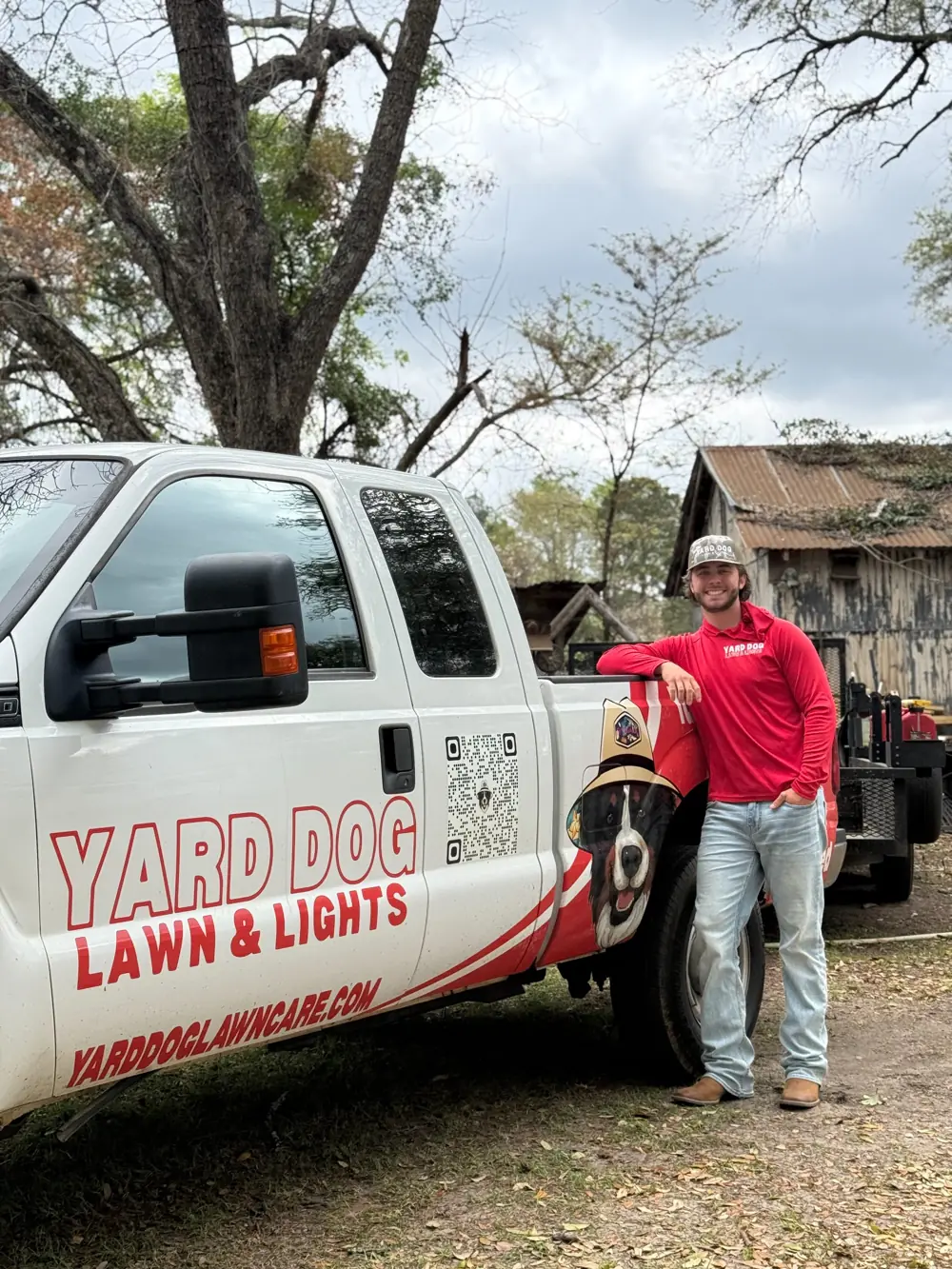
Miller Maines owns Yard Dog Landscapes in Longview, TX. He has worked East Texas yards since 2017 and still walks every property himself.